
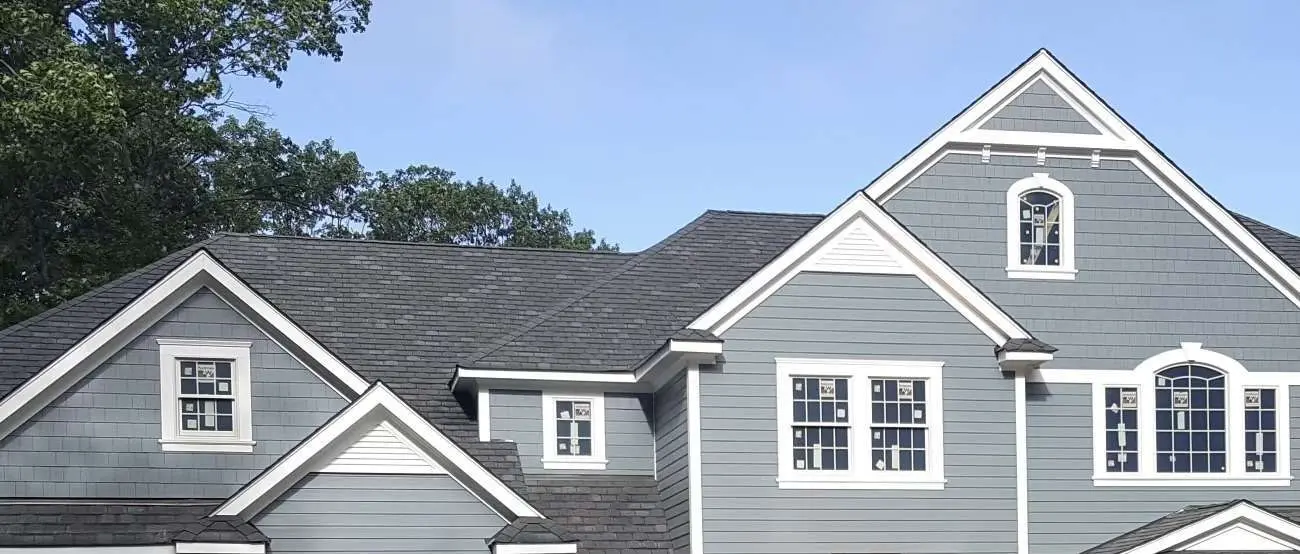
A leak does not automatically mean you need a new roof. But a low repair price is not useful if nobody can explain what the repair will address.
Before choosing either option, ask for three things: what was found, what work is proposed, and what would remain unresolved. The condition of your roof—not a sales pitch—should drive the decision.
Two different recommendations. Now what?
Suppose one contractor recommends a repair and another recommends replacement. That is a hypothetical example, not a BK customer story—but it describes a decision a homeowner can face.
Instead of comparing only the totals, ask both contractors to explain their reasoning. Are they looking at the same area? Does one proposal include work that the other excludes? Has the source of the problem actually been identified, or is further investigation needed?
You do not need to become a roofer to ask those questions.
Start with the explanation—not the price
| Ask this | What a useful answer should clarify |
|---|---|
| What did you find? | The observed condition and location, ideally with photographs or a clear explanation. |
| Why do you recommend this scope? | Why a localized repair or broader replacement is being proposed for this roof. |
| What will the work address? | The specific area, materials, and work included—not simply “fix leak.” |
| What will remain? | Areas not being repaired or replaced, uncertainty, and any additional investigation needed. |
| What could change the price? | How concealed damage or additional work would be documented, priced, and approved. |
Photos can help explain a finding. They do not, by themselves, establish the condition of the entire roof or hidden materials.
When a repair deserves a closer look
A repair may be an option when the issue is localized and the surrounding roof can support the proposed work. That requires an assessment, not a conclusion based on a ceiling stain or an online checklist.
Ask:
- “What makes this a repairable issue?” Have the contractor explain the specific finding.
- “How does the repair address the identified problem?” Ask whether the proposal is temporary protection or intended as a longer-term repair.
- “What condition is the surrounding area in?” Understand what has and has not been assessed.
- “What should I expect afterward?” Clarify appearance, limitations, and any written coverage.
A smaller scope is not automatically a shortcut. It needs a clear reason, just as replacement does.
When replacement deserves a closer look
Broader deterioration or problems affecting multiple areas may lead a contractor to recommend replacement. Roof age and repair history can inform that recommendation, but neither is an automatic verdict on its own.
Ask:
- “Can you show me why a localized repair is not enough?” Request an explanation of the broader findings.
- “What exactly is included in replacement?” Clarify removal, materials, flashing, ventilation-related work, disposal, and exclusions as applicable.
- “How will concealed damage be handled?” Agree on the approval process for additional work before signing.
- “What alternatives did you consider?” Understand their limitations rather than assuming there is only one option.
Replacement is a larger commitment. You should understand the reason for it—not just the new shingle color.
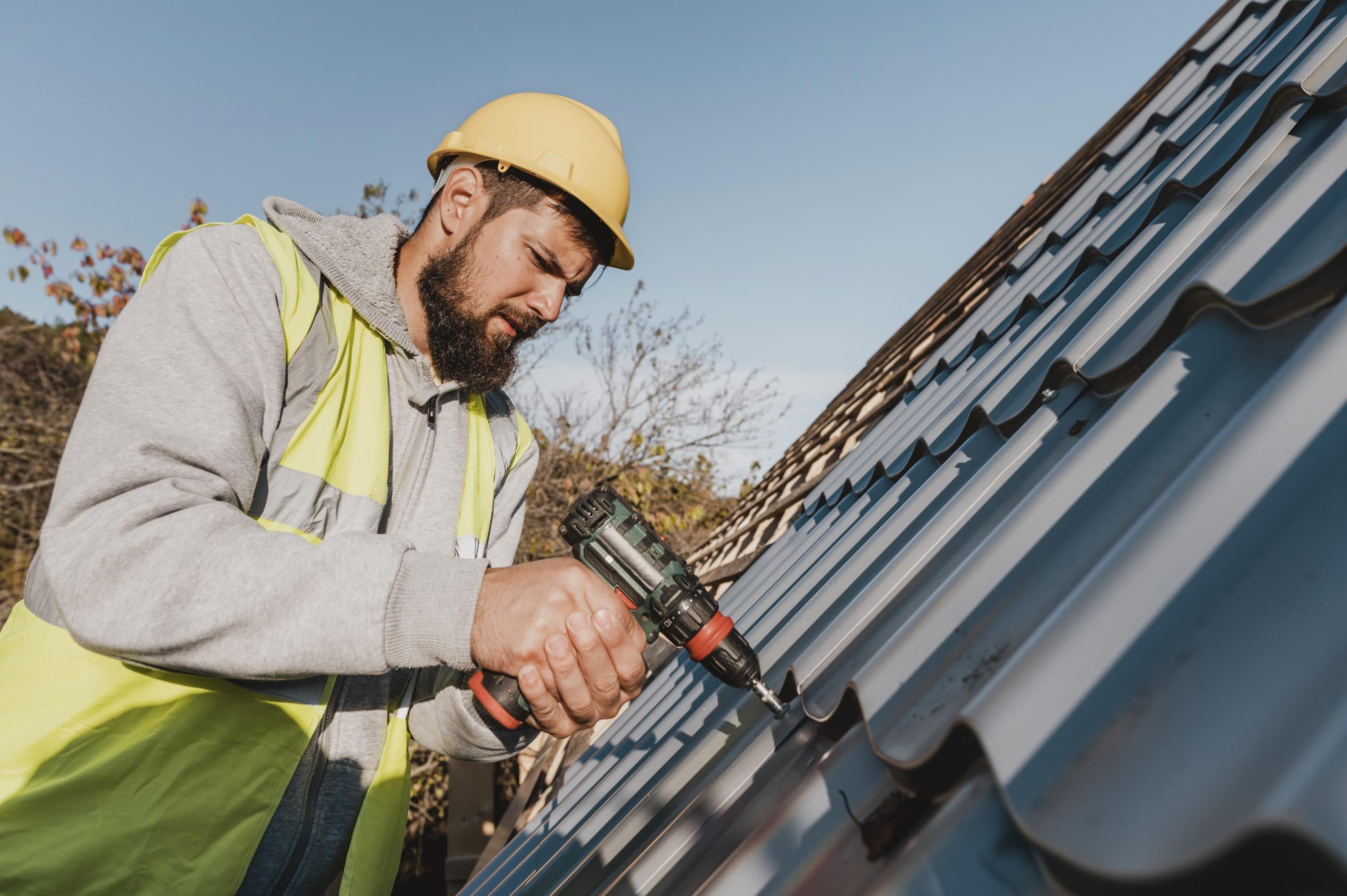
Comparing two quotes? Compare these five lines
1. Scope. Are both quotes addressing the same areas and findings? A repair price and a replacement price are not competing prices for identical work.
2. Materials. Look for the products and components included. Ask for clarification if a description is vague.
3. Exclusions and changes. Check what is not included and how extra work gets authorized. A low starting total is not the whole decision.
4. Warranty terms. Ask for the actual written terms. Workmanship and manufacturer coverage are not interchangeable; coverage, exclusions, and responsibilities vary. Do not assume repairs have no warranty or that a new roof is guaranteed never to leak.
5. Payment and completion terms. Understand the payment schedule, cleanup, and how completion or unresolved concerns will be handled.
If an answer is unclear, ask for it in writing before agreeing to the work.
Already dealing with water inside?
Safety takes priority over comparing estimates. Stay away from damaged areas, sagging ceilings, and electrical hazards. Do not climb onto the roof or attempt an unsafe inspection.
After severe weather, the National Weather Service advises waiting until the threat has ended before checking property, staying out of damaged buildings, and contacting local authorities about downed power lines. Seek appropriate emergency help for an immediate danger; a website inquiry is not an emergency response service.
For a non-emergency inquiry, describe what you noticed, when it started, your town, and any previous work you know about. Safe existing photos can help explain the concern, but you do not need photos to ask for help.
Save these three questions
What did you find?
Why does this scope make sense for my roof?
What will remain unresolved after the work?
Those questions will not diagnose your roof. They can help you recognize whether a proposal gives you enough information to make a decision.
Not sure which option fits your roof?
Contact B.K. Roofing & Remodeling about your concern and request an estimate. Start with what you know—you do not need to decide on repair or replacement before asking for an assessment.
Related: Roof leak repair · Asphalt shingle roofing.
Safety source: National Weather Service — What to Do After Severe Weather. The quote-comparison checklist is editorial consumer guidance, not an engineering assessment, diagnosis, or guarantee.